18 Proven Link-Building Strategy For Boosting Seo And Driving Traffic.
In the world of Link Building, it remains essential for boosting your site’s search visibility.
A strategic approach to link building can increase your site’s domain authority, improve rankings, and drive targeted traffic.
This guide outlines 18 proven link-building strategies with actionable steps to help you build quality links and maximize SEO impact.
What Is Link Building and Why Is It Crucial?
Link building involves securing hyperlinks from other websites to your own.
These links serve as votes of confidence from different sites. Search engines like Google interpret these links as signals of your site’s authority, impacting your overall ranking and visibility.
This guide covers 18 unique strategies that help diversify your link profile and ensure you’re building links that genuinely add value to both users and search engines.
Guest Blogging
How It Works: Find blogs relevant to your niche, pitch a topic, and include a backlink in the author bio or within the content.
Action Steps: Research sites in your industry using tools like Ahrefs or Google search queries.
Reach out to editors with a brief, personalized pitch.
Write high-quality content that aligns with the blog’s audience and SEO guidelines.
Pro Tip: Maintain relationships with blog owners for future opportunities, and ensure the backlinks are valuable and natural, avoiding spammy techniques.
Influencer Outreach
How It Works: Build connections with influencers in your field by tagging them in your posts, referencing their content, or even featuring them in your work.
Action Steps: Identify top influencers in your niche using platforms like BuzzSumo.
Create content that aligns with their interests or gives them a valuable mention.
Engage with their posts, leave insightful comments, and reach out over time to build rapport.
Pro Tip: Influencers often appreciate genuine engagement.
Start by sharing their content and tagging them, gradually developing a connection.
Broken Link Building
How It Works: Identify broken links on other websites and offer a similar piece of content from your site as a replacement.
Action Steps: Use tools like Ahrefs to find broken links on high-authority sites.
Reach out to the webmaster with a friendly note pointing out the broken link and suggesting your content as a fix.
Ensure your suggested content aligns with the original link.
Pro Tip: Be sure to pitch replacement content that directly matches the original topic to improve your chances of approval.
Competitor Backlink Analysis
How It Works: Review your competitors’ backlink profiles to identify websites linking to them and pursue similar opportunities.
Action Steps: Use tools like SEMrush to analyze the backlink profiles of your top competitors.
Compile a list of domains linking to them and identify the most relevant ones.
Approach these sites with a fresh angle, emphasizing how your content adds unique value.
Pro Tip: Focus on high-authority sites that repeatedly link to competitors—they’re more likely to engage with new content ideas.
Content Round-Ups
How It Works: Get featured in weekly or monthly “content round-up” posts on blogs that cover your industry.
Action Steps: Use search queries like “[Your Industry] + round-up” to find potential sites.
Reach out to editors with a concise pitch on why your content fits their round-up.
Send regular updates as you publish new content, making it easy for them to include you.
Pro Tip: Keep these pitches brief and focused on the value of your content to improve your chances of being included.
Internal Linking
How It Works: Link between pages on your site to guide visitors through related content and keep them engaged.
Action Steps: Identify core pages and pillar content that connect to other articles or resources.
Use natural anchor text and ensure each link genuinely benefits the user experience.
Regularly audit your internal links to remove outdated ones and add new links as your content grows.
Pro Tip: Overuse of internal links can dilute their effectiveness, so keep them relevant and balanced.
Data-Driven Content
How It Works: Create content that offers unique data insights, such as industry reports, surveys, or original research.
Action Steps: Research trending topics in your niche and develop data-focused content that provides new insights.
Use infographics and data visualization to make the content more shareable.
Reach out to sites and publications that would benefit from referencing your data.
Pro Tip: Data-heavy content often attracts backlinks naturally, especially if it’s visually engaging and easy to interpret.
Resource Pages
How It Works: Target resource pages that list valuable articles and tools, and request to be added.
Action Steps:
Search for resource pages in your niche by using search operators like “inurl + [Your Topic].”
Send a clear pitch explaining why your content would make a great addition to their page.
Make sure your content provides real value—resource pages tend to link only to high-quality resources.
Pro Tip: Some resource page owners may request a reciprocal link, so be prepared to negotiate or offer alternatives.
The Skyscraper Technique
How It Works: Improve upon top-performing content by creating a more comprehensive version, then reach out to sites linking to the original and suggest your updated content.
Action Steps: Identify high-ranking content in your niche with a tool like Ahrefs.
Create a more detailed, up-to-date version, addressing gaps in the original.
Reach out to the linking sites, explaining why your resource adds more value.
Pro Tip: Emphasize your improvements (new data, better visuals, updated examples) to increase your pitch success.
Linkable Assets
How It Works: Develop high-value resources, like ultimate guides, infographics, or tools, that other sites naturally want to reference and link to.
Action Steps: Choose a topic that resonates with your audience and has staying power (evergreen content).
Invest in professional visuals, clear structure, and comprehensive content.
Promote the asset on social media and through email outreach to maximize reach.
Pro Tip: Update these assets periodically to maintain relevance and secure ongoing links over time.
Podcast Guesting
How It Works: Leverage podcasts as a platform to share insights and expertise, which usually includes a backlink to your website in the show notes.
Action Steps: Research industry-relevant podcasts with engaged audiences.
Prepare a pitch highlighting how your expertise or story aligns with the show’s topics.
Make your appearance memorable by providing actionable tips or exclusive insights.
Pro Tip: Pitch the idea of a follow-up episode or cross-promotion if the first appearance performs well.
Social Proof & Testimonials
How It Works: Submit testimonials to companies or services you use, as these brands often feature them on their websites with a backlink to your own.
Action Steps: Identify services or tools you’re genuinely satisfied with and reach out to submit a testimonial.
Include a professional photo and a brief, relevant link request if they accept testimonials with links.
Follow up with other brands over time as you add new tools and services to your workflow.
Pro Tip: Focus on brands relevant to your niche to increase the value of the backlink.
HARO (Help A Reporter Out)
How It Works: Respond to journalist requests for expert quotes on HARO, providing insights that may be featured with a backlink in top publications.
Action Steps: Register with HARO and set up alerts for relevant requests in your industry.
Respond promptly with concise, high-value answers to increase your chances of selection.
Include your website link with a brief bio to ensure you’re credited properly.
Pro Tip: Keep responses short, and focus on practical or unique insights to stand out.
Link Reclamation
How It Works: Monitor mentions of your brand that lack a backlink and politely request they add one.
Action Steps: Use tools like Google Alerts or Mention to track brand mentions online.
Reach out to authors with a short, friendly email asking for a link addition.
Offer gratitude and a reason why linking adds value (such as credibility or relevance).
Pro Tip: This strategy works well with local or niche publications that have featured you previously.
Partnering with Industry Blogs
How It Works: Collaborate with other bloggers for mutual promotion, such as guest post exchanges or joint projects, resulting in shared backlinks.
Action Steps: Connect with bloggers in your niche through social media or blog comments.
Propose ideas like a guest post series, co-written articles, or cross-promotion.
Maintain these relationships for long-term link-building opportunities.
Pro Tip: Aim for genuine collaboration that offers value to both parties’ audiences, not just backlink trades.
Community Building
How It Works: Participate actively in forums, Q&A sites, and industry communities to share knowledge and link back to helpful resources on your website.
Action Steps: Join platforms like Reddit, Quora, or niche-specific forums.
Provide well-researched answers and link back to relevant content where appropriate.
Regularly engage with followers to establish yourself as a knowledgeable presence.
Pro Tip: Avoid spammy self-promotion—focus on helping others to naturally encourage link clicks.
Outreach Automation Tools
How It Works: Automate outreach using tools to scale your link-building efforts while tracking engagement and responses.
Action Steps: Use email outreach tools like BuzzStream or Mailshake to manage campaigns.
Personalize each outreach message to build meaningful connections.
Track responses, follow-ups, and conversions to refine your outreach strategy.
Pro Tip: Automation is best suited for repetitive outreach tasks; still, personalize key parts of each email for a higher response rate.
Networking at Events/Webinars
How It Works: Participate in industry events, webinars, or conferences to connect with potential partners, opening doors to future link-building opportunities.
Action Steps: Attend webinars, conferences, and virtual events relevant to your niche.
Engage with speakers and attendees, then follow up with personalized messages.
Share key takeaways on your blog or social media, tagging industry figures to strengthen connections.
Pro Tip: Building genuine relationships through these events can lead to valuable backlinks and collaborations over time.
Conclusion: Effective link-building strategies go beyond simply gaining backlinks; they require a thoughtful approach to create value for both parties involved.
By investing time and effort into these 18 strategies, you’ll develop a diverse and high-quality backlink profile that not only boosts SEO but also builds long-term authority and engagement with your audience.




Need A High-Converting Funnel?
LET US GIVE YOU FREE ADVICE FOR YOUR NEXT FUNNEL!
It's free advice... No obligation to purchase...
Our Service
Get a customized funnel
Funnel Design & Tech Support
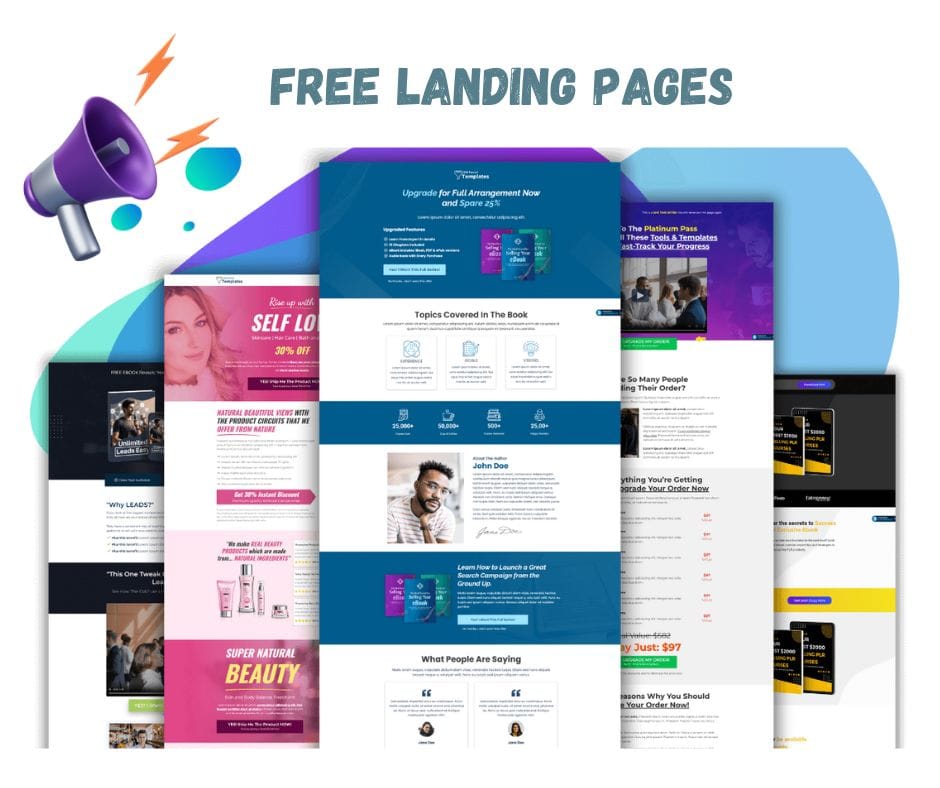
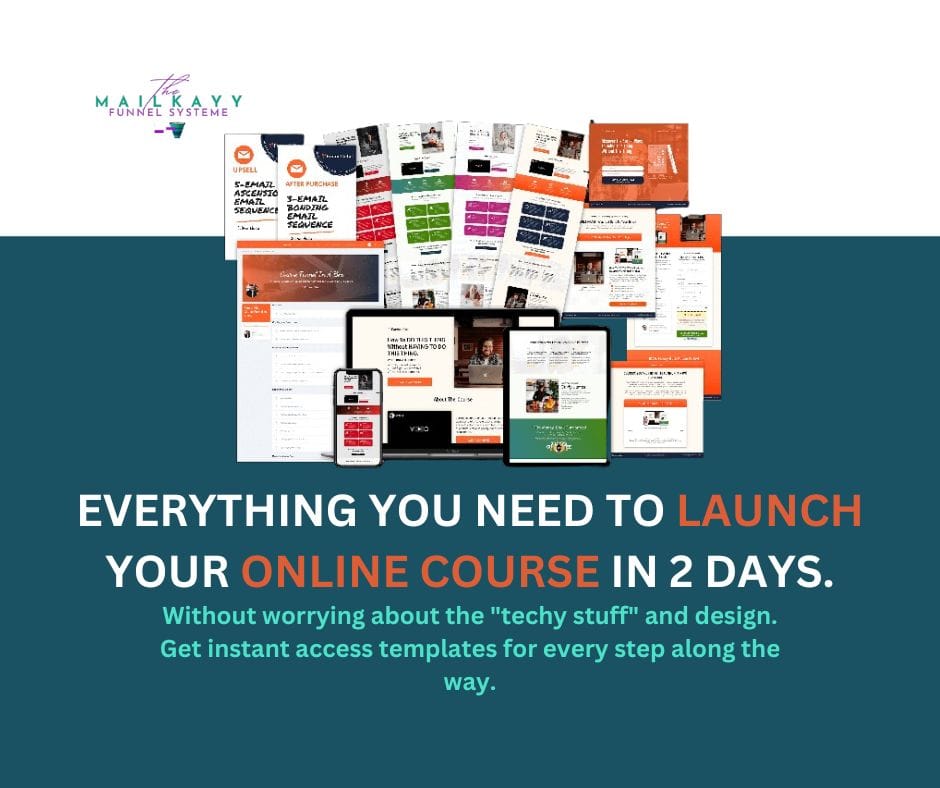
Template Marketplace
Funnel Design Masterclass
Systeme.io Exclusive Bundles
White-Label Funnel Solutions
Resources
Learn With Us
Systeme Support Center
Free SIO Templates
Funnel Building Tools
Systeme.io Discounts
OUR SERVICES
Get a customized funnel
Funnel Design & Tech Support
Template Marketplace
Funnel Design Masterclass
Systeme.io Exclusive Bundles
White-Label Funnel Solutions
INFORMATION
RESOURCES
Learn With Us
Systeme Support Center
Free SIO Templates
Funnel Building Tools
Systeme.io Discounts
Copyright © All Rights Reserved 2024The Mail Kayy Funnel Systeme